
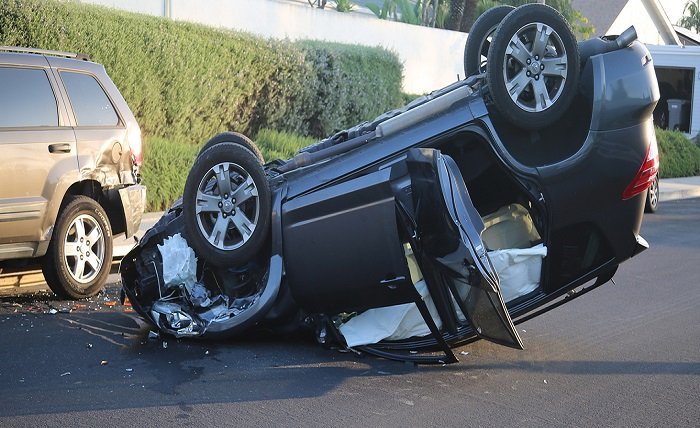
What does “liability” actually imply, then?
One issue quickly arises following a collision: Who is at fault? Liability is that. It determines who is responsible for missed time, medical expenses, and damage. Easy concept, but not necessarily easy in practice. Imagine a bustling road in Houston. Signals flash, cars merge, and someone looks at a phone. Then—impact. The fault may not be immediately apparent. One motorist places the blame on the other. Different items were observed by witnesses. It quickly becomes messy. A knowledgeable Houston personal injury attorney can help with that. They locate the truth by sifting through the clutter.
It’s not usually the fault of one person, which surprises many.
It’s reasonable to anticipate one “o.” However, shared culpability is a common feature of crashes. Texas adheres to a modified comparative blame rule. The main points are as follows:
- If your responsibility is less than 51%, you are still entitled to compensation.
- Your reward is reduced by the amount of your fault.
Assume you bear 20% of the blame. Eighty percent of your damages are still awarded to you. Alright? Perhaps. Complicated? Without a doubt. Nearly all Houston auto accident claims are shaped by this rule.
Common causes—because patterns are important
Certain crash reasons recur frequently. Not surprising, but noteworthy:
- Distracted driving (yes, phones are a big one)
- Speeding, particularly on I-10 and other routes
- Running red lights
- Operating a vehicle while intoxicated
- Not giving up
These all indicate carelessness. Furthermore, the majority of personal injury lawsuits are based on negligence. The twist is that sometimes both drivers are at fault. One moves quickly. Before turning, the other doesn’t check. It’s not as clear-cut now.
Evidence: each case’s unsung hero
Are you aware of what actually wins or loses a claim? Proof. not viewpoints. Not speculations. Proof.
A compelling argument frequently consists of:
- Police reports
- Footage from traffic cameras
- Statements from witnesses
- Health records
- Images of vehicle damage
Experts in accident reconstruction occasionally intervene. They examine impact sites, speed, and angles. It’s similar to figuring out a puzzle. Furthermore, you might be surprised to learn how important little things are. a time stamp. A skid mark. A video clip that is hazy. The narrative shifts if one piece is missing.
Are insurance companies usually helpful?
The function of insurance firms is significant. They defend their own interests as well.
They might:
- Think about your injuries.
- Place the blame on you
- Provide prompt, inexpensive settlements
You may feel relieved by that early offer. Bills accumulate. Stress increases. All you want is for it to end. The problem is that it’s frequently less than you deserve. For this reason, Schechter, Shaffer & Harris, LLP—Accident & Injury Attorneys is a popular choice. By resisting attempts by insurers to take short cuts, the company has established a solid reputation in Houston.
Why legal assistance alters the game
You might manage a claim on your own. Individuals do. But ought you to? That is a different matter.
A personal injury attorney:
- looks into the collision
- collects and safeguards evidence
- Deals with insurance companies
- determines just compensation
- takes the matter to court if necessary
Legal expertise is not the only factor. It’s important to understand the system and avoid being manipulated by it. And let’s face it, you should concentrate on getting better following an accident. Not phone calls and papers.
What can you really get back in terms of damages?
Several kinds of losses may be covered by a successful claim:
- Medical expenses, both present and prospective
- Reduced revenue
- Anguish and misery
- Damage to property
- Stress on an emotional level
Measuring some of these is simple. Some are more difficult, such as discomfort. However, they are equally important. A good lawyer knows how to value both.
A brief assessment of reality
Not all cases result in large payouts. And it’s acceptable to say that aloud. Certain claims are rapidly resolved. Others continue to drag. Some people don’t succeed. Still, you have a better chance if you get the appropriate advice. A lot. Consider it similar to hiring a coach. You could play the game by yourself, but you’ll perform better with an experienced player.
Timing is more important than most people realize.
The statute of limitations is a deadline in Texas. It’s two years for the majority of auto accidents. If you miss that window, your case can be lost. No second chances. Therefore, taking action early is not only wise but also essential.
Concluding remarks (truth, no fluff)
Liability for auto accidents is not clear-cut. It’s gray. Very gray at times. It is possible for fault to change. You may be surprised by the evidence. Insurance firms don’t always act fairly. However, you can make sense of everything and proceed with confidence if you receive the appropriate assistance.
FAQs
- After an automobile accident in Houston, how is fault determined?
Evidence and state law determine who is at fault. Photos, witness statements, and police records all contribute to the case’s development. Lawyers and insurance adjusters go over everything. Courts make decisions when necessary. Multiple drivers may be held accountable in Texas due to shared fault regulations.
- If I was somewhat at fault, may I still receive compensation?
You can, indeed. If you are less than 51% in fault, recovery is permitted in Texas. Your portion of the blame will be deducted from your pay. For instance, you get 70% of the damages if you are 30% at fault.
- What should I do immediately following an automobile collision?
First, take precautions and dial 911. Seek medical attention, even for minor wounds. Take pictures, get contact information, and talk to witnesses. Then, before having a detailed conversation with insurance providers, think about getting in touch with a lawyer.
- In Texas, how long do I have to submit a claim?
Usually, you have two years from the date of the accident. There is a severe deadline. You might not be able to file a case if you miss it. While the data is still fresh, it is best to take action early.
- Why should I work with a personal injury attorney?
A lawyer constructs a compelling argument and defends your rights. They work with insurers, collect evidence, and strive for just reimbursement. You might accept less than you deserve or overlook important phases in the process if you don’t have legal practice assistance.