
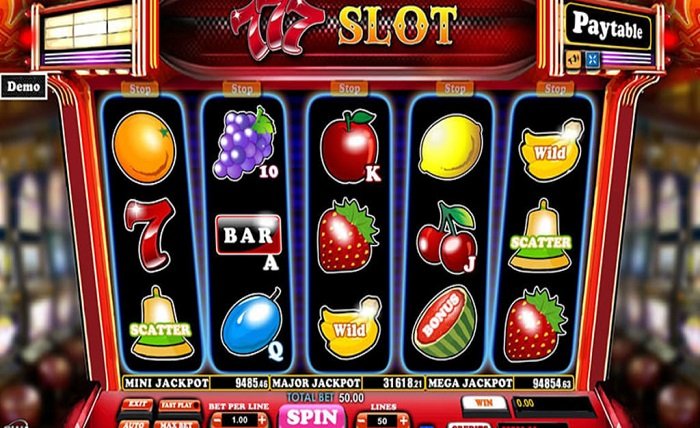
Speed shapes perception in digital environments. Users perceive the experience as more engaging, responsive, and typically they are more trusting if actions cause instant responses. This effect appears across apps and platforms, but it is especially visible in an online slot environment, where feedback follows almost every interaction. Content platforms that explore mindset and emotional response, such as attitudeshayaricopy.com, often examine how tone and reaction shape attitude. Slot interfaces offer a visual, measurable example of the same principle in action.
Fast feedback doesn’t really have an impact on the results. However, it affects people’s feelings about the results. An outcome that is communicated straight away has a very different emotional impact than one that is delayed by just a few seconds. During a session, this difference keeps adding up and it totally affects the level of confidence, patience, and choice-making behavior.
What “Fast Feedback” Means in Digital Slot Interfaces
In slot-style interfaces, feedback speed refers to how rapidly the system responds after input. A tap initiates a spin. The reels animate. Symbols settle. Visual and audio cues signal completion. All of this happens in a tightly controlled time frame.
Designers compress this cycle to reduce idle moments. Shorter loops mean less waiting and fewer chances for attention to drift. The interface signals that it is always ready for the next action.
Feedback is not only about the game being won or lost. Features as simple as button highlights, vibration, sound cues, and visual flashes are some of the ways through which the system lets the user know that the input was registered. In cases where the result is neutral, the response encourages the user to continue interaction.
This immediacy builds a rhythm. Over time, users adjust expectations to that pace and begin to associate speed with quality and reliability.
How Fast Feedback Shapes User Attitude
In fact, attitudes reflect the flow quite significantly and only minimally the outcomes. For instance, in the case of immediate feedback users are likely to feel that they have a greater control on the situation, although the fundamental operations are always the same. The interface appears responsive and aligned with intention.
Fast feedback also amplifies emotional momentum. Positive signals feel sharper. Negative signals pass quickly, leaving less time for reflection. The session moves forward without interruption, which maintains engagement but reduces pauses that might reset emotional state.
Confidence grows through repetition. When actions consistently produce immediate responses, users perceive fewer barriers. This perception can increase willingness to continue interacting, even when outcomes fluctuate.
Over longer sessions, this dynamic subtly alters expectations. Speed becomes the norm. Any delay then feels disruptive, even if the delay is minor or technically necessary.
The Psychological Effects of Constant Feedback
Constant feedback affects attention and emotional regulation. Rapid response cycles keep focus locked on the interface, narrowing awareness of external cues such as time passing or mental fatigue.
Emotion shifts faster as well. Excitement can escalate rapidly when feedback stacks in quick succession. Frustration can also rise, but it often dissolves just as fast because the system immediately invites another action.
Several psychological effects appear repeatedly in fast-feedback environments:
- Reduced reflection time between decisions
- Increased sensitivity to visual and audio cues
- Stronger emotional reactions to short-term outcomes
- Weaker perception of session length
- Greater reliance on interface signals over internal judgment
These effects do not force behavior. They influence attitude by shaping the emotional context in which choices are made.
When Speed Improves Experience – and When It Backfires
Speed is not inherently negative. In many cases, fast feedback improves clarity. Users know immediately whether an action registered. Confusion drops. Friction decreases. The experience feels polished.
Problems arise when speed removes natural stopping points. Without moments to pause, users can drift into extended sessions without reassessment. Overstimulation may follow, especially when visual effects and sound cues remain intense.
Fatigue often appears late rather than early. Because feedback remains consistent, internal signals are easier to ignore. By the time awareness returns, the session may already feel draining instead of engaging.
Balanced systems respect pace. They allow speed where clarity matters and introduce breathing room where reflection helps.
Slowing Down Without Breaking Engagement
Healthier pacing does not require eliminating fast feedback. It requires shaping how and when it appears. Micro-pauses between cycles restore awareness without disrupting flow. Visual transitions that signal completion before reset give the mind a brief checkpoint.
Feedback can inform rather than push. Clear outcome indicators without exaggerated effects reduce emotional spikes. Optional confirmations before extended play reintroduce intention into the process.
Designers who study fast-feedback systems learn that engagement lasts longer when users feel oriented rather than rushed. A controlled tempo supports confidence without creating pressure.
Rethinking Speed as a Design Signal
Fast feedback communicates more than responsiveness. It communicates values. It tells users whether the system prioritizes momentum, reflection, or balance. Slot interfaces show how easily attitude shifts when speed becomes the dominant signal.
On the one hand, this understanding of the dynamic allows users to make sense of their reactions and, on the other hand, it enables designers to build experiences that are attentive to users’ focus. Speed must be the servant of clarity and not the replacement of awareness.
In digital environments where attitude matters as much as outcome, feedback timing becomes a design decision with psychological weight. Online slot sessions make this visible. The lesson applies far beyond games.